

Is Melting Endothermic Or Exothermic
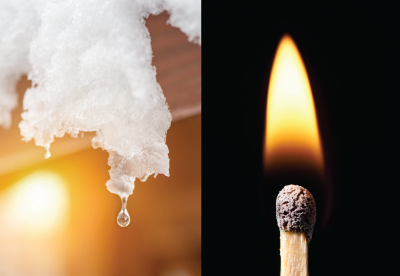
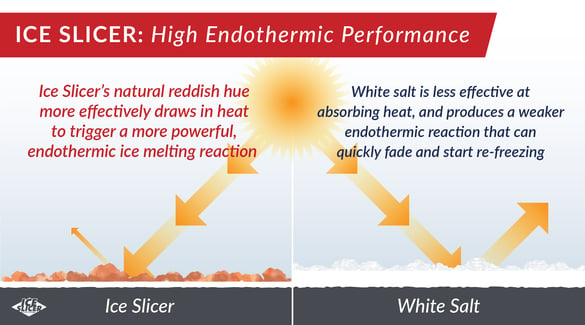
The laws of thermodynamics tell us that energy cannot exist created or destroyed. Instead, energy is transferred and changes forms constantly all around us. Some reactions crave an input of energy, and some give off energy. The movement of free energy tin take dissimilar forms, such as light or oestrus. Endothermic reactions need an input of energy (in the grade of rut) for the reaction to start. The input of heat energy, from the surround, triggers the breakdown of chemical and concrete bonds. I of the well-nigh common endothermic reactions is the melting of ice. Oestrus is drawn in from the surroundings, triggers this reaction, and begins to break the chemic and physical bonds belongings the water ice together. Exothermic reactions release energy (in the form of oestrus) into their surroundings. Examples of exothermic reactions include lighting matches, campfires, etc. In fact, water freezing into ice is also exothermic. Every bit water releases heat into its surroundings, its temperature lowers to its freezing point and ice is formed. Constant freezing, melting, and refreezing cycles wreak havoc on our roads during the winter. The goal of all winter route maintenance programs, is to encourage the endothermic reaction of ice melting, and interfere with the exothermic reaction of water ice freezing. When water freezes into ice, its molecules interlock with each other to create hydrogen bonded, crystalline structures. Ice is capable of bonding, or adhering, to surfaces physically, chemically, and even electro-magnetically. This adhesion tin can be difficult to suspension, especially on a rough road surface. Route safety agencies are continuously researching how to break ice's bond on our roadways. The best road maintenance practices apply a combination of both chemical and physical methods to interruption ice adhesion. Not all chemical deicing treatments are created equal. Some products trigger more powerful endothermic reactions and perform better at lower temperatures. Click here to larn more about how dissimilar deicing ingredients piece of work and tin vary in strength. Harvested from a Jurassic Era mineral eolith, Ice Slicer is nature's perfect recipe for melting ice and snowfall. Over threescore trace minerals give Ice Slicer its signature reddish hue that boosts its endothermic operation. This natural, darker color lowers Water ice Slicer's albedo gene so it can more efficiently capture rut free energy from the sun to cook ice quickly. Other deicing treatments effort to add together artificial dyes to their products that tin damage our environment. Ice Slicer doesn't need any added chemicals to naturally outperform white salt, restore road safety quickly, and keep roads clear longer. © 2021 Redmond Minerals Inc. Heat On The Move
Endothermic Reactions
Exothermic Reactions

Thermodynamics and Wintertime Road Maintenance
Ice Adhesion
Physical:
Chemical:
Ice Slicer: High Endothermic Performance

Is Melting Endothermic Or Exothermic,
Source: https://blog.iceslicer.com/difference-between-exothermic-and-endothermic-processes
Posted by: walkerpromaged.blogspot.com
0 Response to "Is Melting Endothermic Or Exothermic"
Post a Comment